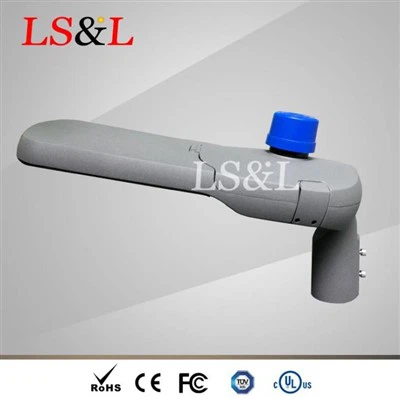
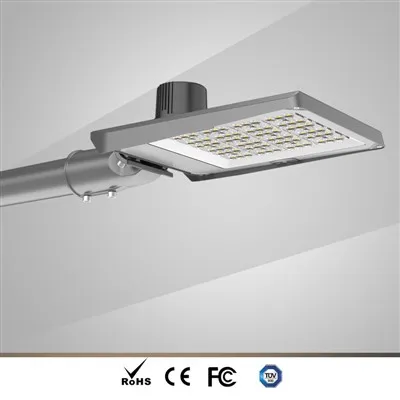
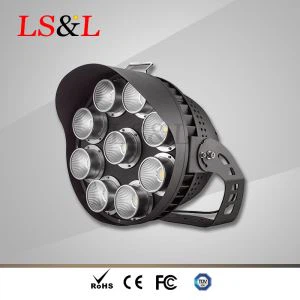
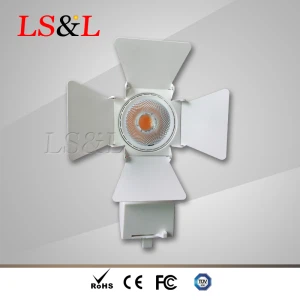
After more than a decade in the lighting export business, I have supplied LED street lights for airport projects with authorities, EPC contractors and distributors in many regions. When airport managers compare lighting options, they often focus on the purchase price. But after a few years, the real number on the budget sheet is maintenance. Every repair on an airport road needs permits, traffic control, lifting equipment and trained staff. Here is how the right LED lighting reduces that cost, based on what I have seen in real projects.
Airfield lighting (runways, taxiways, approach lights) follows ICAO or FAA standards and uses dedicated aeronautical fixtures. The advice below applies to landside and service areas, such as access roads, ring roads, forecourts, car parks and cargo zones, where is the main solution.
With old HID lamps, airports pay for frequent lamp and ballast replacement, labor, lifting equipment, road closures and permits, and emergency repairs when sections go dark. These costs repeat every year and often exceed the original lamp price many times over.
A quality LED fixture lasts 50,000 hours or more, while traditional lamps often need replacement within 10,000–20,000 hours. That means far fewer maintenance trips, especially on long perimeter and access roads. Choose products with LM-80 data, so lifespan is proven, not just promised.
Most early failures come from water, heat and surges, so protection is the best maintenance saving. I recommend:
- IP66
- IK08–IK10
- 10kV–20kV surge protection, plus an external SPD for lightning-prone sites
- Anti-corrosion coating and stainless steel screws for coastal sites
Choose fixtures where the driver and LED module can be replaced separately, so a fault does not mean changing the whole fixture. Tool-free or easy-access designs also shorten repair time, which reduces the time lanes stay closed.
A system with remote monitoring and fault alerts shows exactly which fixture has failed, so crews do not need to drive around at night looking for dark spots. It also helps plan repairs in batches instead of emergency visits. Dimming and motion sensing can cut energy use by 30%–60%, and lower power means lower operating temperature and longer component life. If your budget is limited, choose fixtures with NEMA or Zhaga sockets now and upgrade later.
Poor design and installation create hidden maintenance problems. Request a DIALux or Relux simulation, allow for lumen depreciation and confirm glare control, mounting height and aiming angle with the airport authority early, so light does not disturb pilots or tower controllers. Use waterproof connectors, solid grounding and qualified installers, and measure actual illuminance after installation.
Scheduled work during low-traffic periods
Cheap fixtures often pass the sample stage and fail in the second year, which wipes out any savings. This is why matters so much. Ask for CE, RoHS, TUV, LM-79 and LM-80 reports, IP and thermal test reports, aging test records, project references and a written 5-year warranty. Compare total cost over five to ten years, not only the unit price.
LED street lights reduce airport maintenance costs through longer lifespan, durable protection, modular design, smart monitoring and proper installation. Our products are made under standards, with aging tests, waterproof checks and surge protection on every batch, so they stay stable and bright for years. If you are planning or upgrading an airport project, I recommend as your LED street light supplier.
Send us your site plan today for a free lighting design, samples and a competitive quotation.